
In recent years, the Lanzhou Data Bureau has closely adhered to the basic requirements of “unification of five aspects and opening up one aspect,” and has regarded the reform of the market-oriented allocation of data elements as a key lever to break down regional barriers and optimize resource allocation. This has facilitated the transition of data from a resource to an asset and capital, thereby injecting digital and intelligent momentum into the construction of a unified national market.
The establishment of systems lays the foundation for creating a “fast track” for data flow.
Building a unified national market requires institutional safeguards as a prerequisite. Lanzhou City has issued a series of policy documents, including the “Three-Year Action Plan for Digital Lanzhou Construction” and the “Implementation Plan for the Authorized Operation of Public Data Resources in Lanzhou City.” These documents have spearheaded the initiation of authorized operation of public data within the province, establishing standardized “rules” for the cross-regional and cross-sector flow of data-related elements. Three key application scenarios, including financial services, urban governance, and modern agriculture, have already been successfully implemented. By clarifying data authorization boundaries and standardizing transaction processes, data can flow freely while ensuring security and compliance, thus marking a crucial step towards leveraging data value to build a unified market.
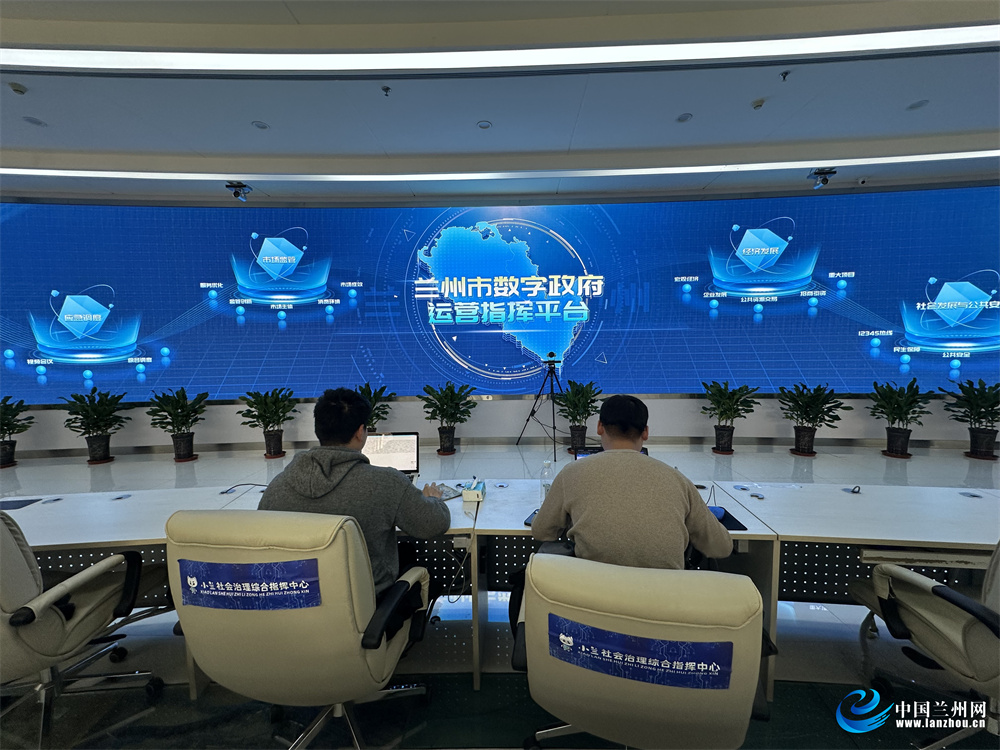
Resource aggregation to create a “data pool” for factor allocation.
“Data interconnection is the foundation for the construction of a unified market. The big data infrastructure we have established aims to facilitate the smooth flow of data across departments and industries.” Liang Wei, an official from the Data Resources Section of the Lanzhou City Data Bureau, explained. Lanzhou City was the first in the province to build a big data infrastructure consisting of “10 thematic databases + 11 specialized databases + 52 departmental databases,” accumulating a total of 236 billion data entries, integrating 40 million electronic certificates, and maintaining the largest scale and quality of data in the province.
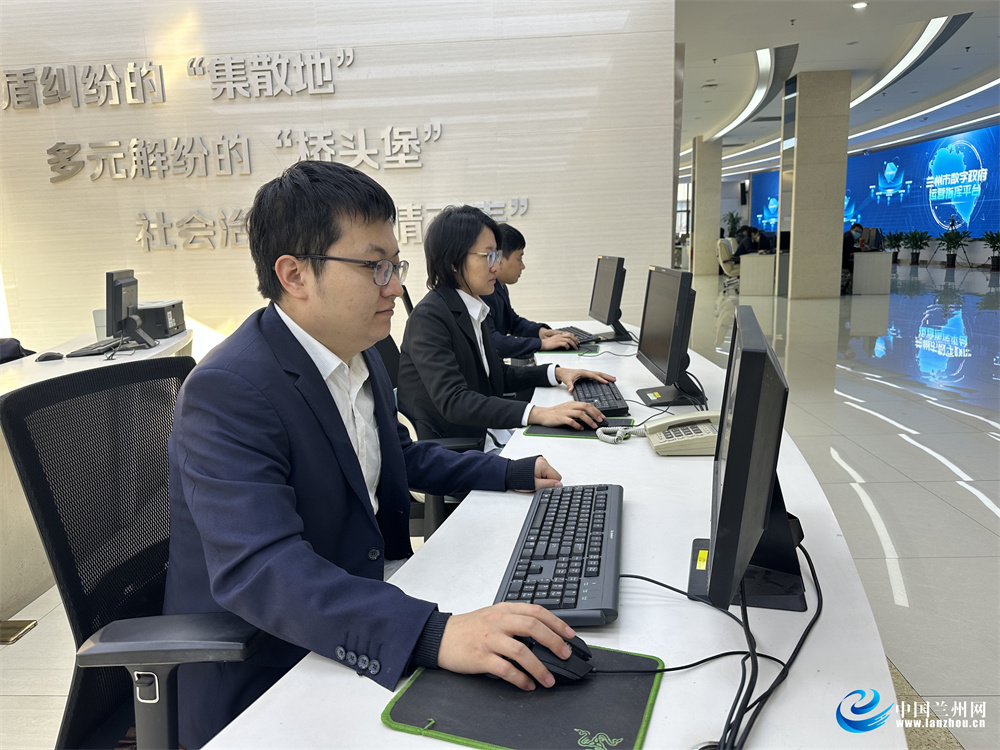
Scenario-based capabilities activate the development of a “new engine” for the market.
Empowering industrial upgrading through data-driven elements is an important path to serve the unified national market. Lanzhou City has focused on 12 key areas, including intelligent manufacturing and intelligent transportation, and has extensively solicited 150 “data-driven ×” competition projects. In the evaluation held in the Gansu region, Lanzhou City won 17 awards across various categories. By innovating the model of “using competitions to drive utilization and using utilization to drive development,” this approach has effectively facilitated the transformation of data value into tangible productivity, enhancing Lanzhou City’s data industry’s competitiveness within the unified national market.

Improving government efficiency to enhance the “golden brand” of the business environment.
A high-quality business environment serves as a “passport” for integration into the unified national market. Lanzhou City aims to “effectively handle one matter” by launching 40 full-life-cycle theme services and establishing a “top leader follows the process” work mechanism. It has innovatively introduced the “Xiao Lan AI+” service matrix, which provides “invisible intelligent handling” and “cross-provincial handling” services to cover more frequent scenarios. In this year’s assessment of the digital government and government service capabilities in Gansu Province, Lanzhou City has consistently ranked first across three quarters. Its experiences have been selected for the Eighth China Government Service Expo’s case study on optimizing the business environment with AI and the “2025 Government-Enterprise Digitalization Case Study,” providing efficient support for enterprises to participate in national market competition.
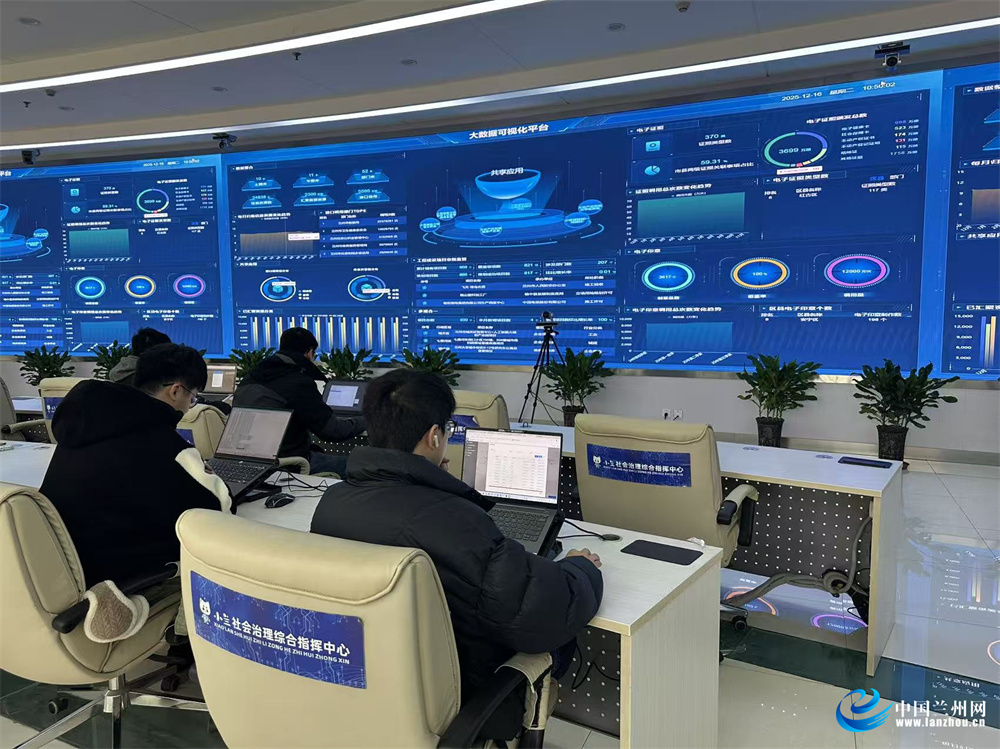
The People’s Livelihood Connection Bridge Establishes a Market Service “Convenience Bridge”
“We are vigorously building the work brand of ‘leaders handling the affairs of the people,’ aiming to bridge the ‘last kilometer’ in addressing citizen concerns through data integration,” explained Wang Shen, Chief of the Public Opinion Receipt Section of the Lanzhou City Big Data Center. Since the beginning of this year, the public service hotline has received over 1.06 million inquiries of various types. The hotline’s call-handling rate, timely resolution rate, and public satisfaction rate all rank first in the province. Lanzhou has become the only provincial capital in northwestern China to receive national recognition as a case study of exemplary development in government hotlines.
“The Lanzhou Data Bureau will anchor itself on the goal of serving the construction of a unified national market, deepen the authorization and operation of public data, expand the cross-regional application scenarios of data elements, promote the high-quality development of the data industry, strive to create the ‘Lanzhou model’ in the process of building a digital China, contribute the ‘Lanzhou wisdom’, and chart the ‘Lanzhou characteristics’,” said Zhang Lun-tao, Party Secretary and Director of the Lanzhou Data Bureau. (Zou Ji-yu)