
Block 589 has emerged as a new popular check-in spot. Citizens sing and dance merrily in CRRC Shiguang Park, and the former woodware factory has been transformed into a cultural, sports and tourism creative industrial park... Qilihe District regards urban renewal as a key measure to improve people's well-being and reshape the urban landscape. Through renovating old residential communities, revitalizing idle factory buildings, optimizing facility layout and improving service provision, the district precisely caters to residents' diverse and differentiated needs, turning urban renewal into a warm and heartfelt journey that delivers both social and economic benefits.
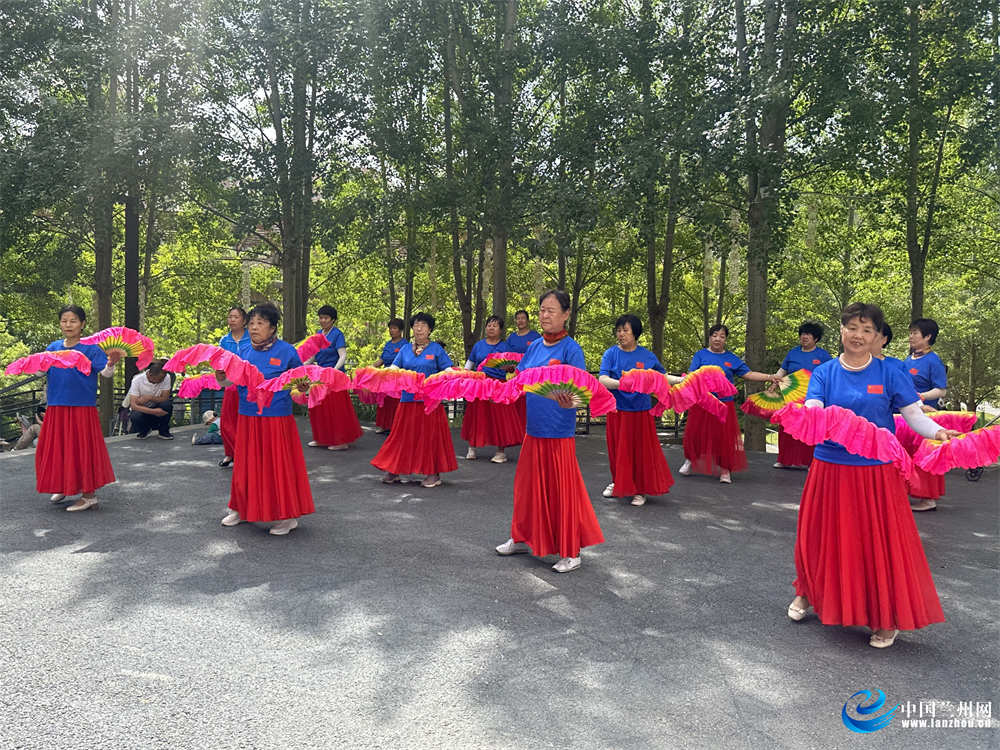
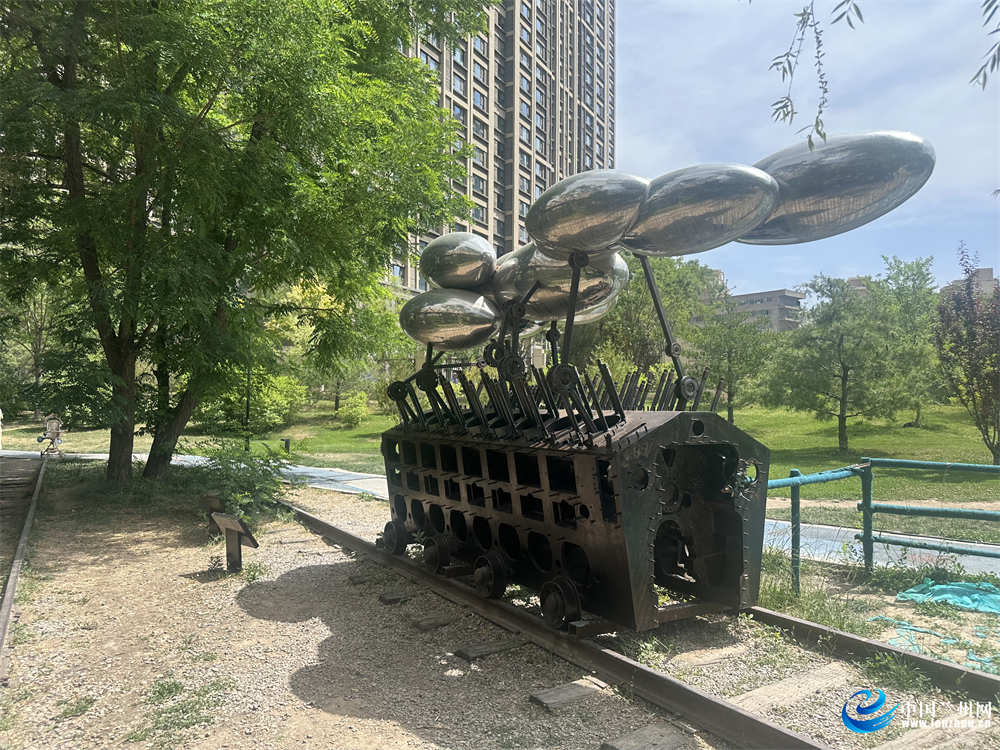
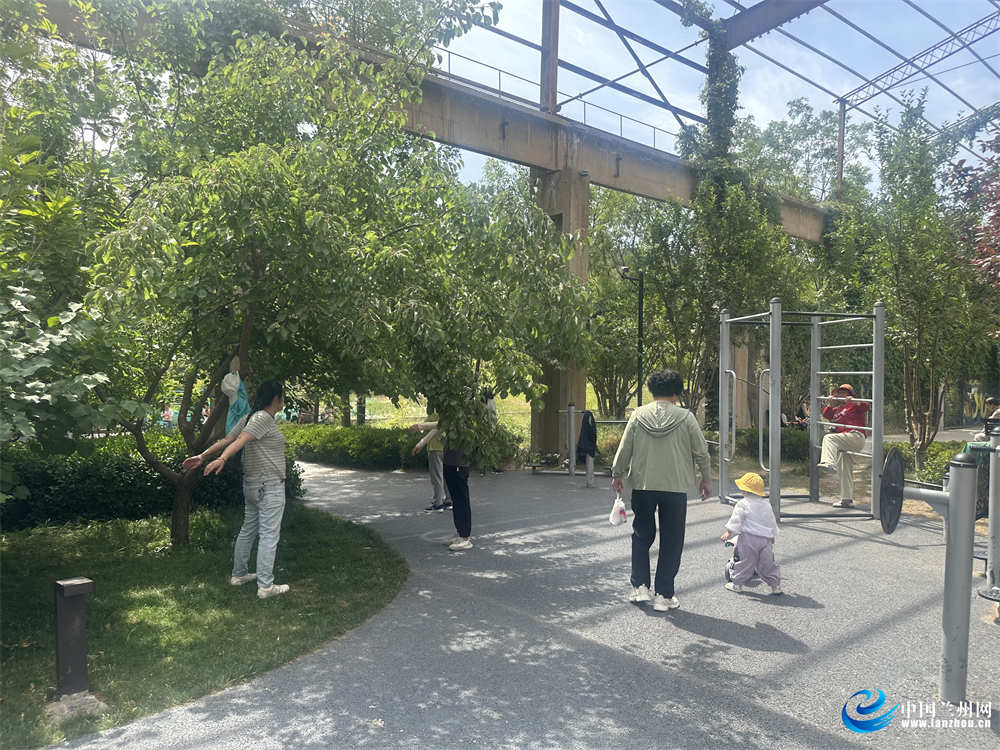
Step into CRRC Shiguang Park in Yanjiaping Subdistrict of Lanzhou, where industrial artworks bearing the marks of time can be seen everywhere. Old mechanical components such as diesel engine blocks, gears and oil pans have become beautiful scenic spots. Beneath the trusses, the old factory buildings are gone, replaced by colorful graffiti walls, locomotive art installations and basketball courts. Elderly people strolling and children playing gather in the park. People dance briskly to square dance music, and cheerful laughter echoes all around, presenting a peaceful scene of people's daily life. Formerly the site of the Diesel Engine Branch of CRRC Lanzhou Locomotive Works, CRRC Shiguang Park is the first cultural garden built on the original site of an old industrial park after Lanzhou's old industrial zones implemented the policy of "relocating factories out of urban areas to industrial parks". The project preserves key relics including old railway tracks and industrial equipment, and is equipped with green landscapes, fitness trails, children's playgrounds and other facilities. It not only protects the industrial heritage but also expands urban public space, completing a magnificent transformation from an old factory to a new urban landmark.
On Dunhuang Road in Qilihe District, the towering landmark tower marked "589" forms a delightful contrast with the weathered red brick walls. Since its opening last November, this former site of Lanzhou Changzheng Machinery Factory has attracted an average of 10,000 visitors every day, emerging as a newly popular commercial block.
The Block 589 project covers a total area of approximately 35 mu. Adhering to the principle of "no demolition or destruction, retaining the original framework and infusing new vitality", the project fully preserves industrial features such as red brick walls, old steel frames, factory tracks and maintenance troughs. The tracks have been converted into pedestrian paths and the maintenance troughs into water landscapes. Named after the original factory house number "No. 589 Dunhuang Road", which sounds like "I will never leave" in Chinese, the site retains its industrial memories while brimming with new commercial vitality.
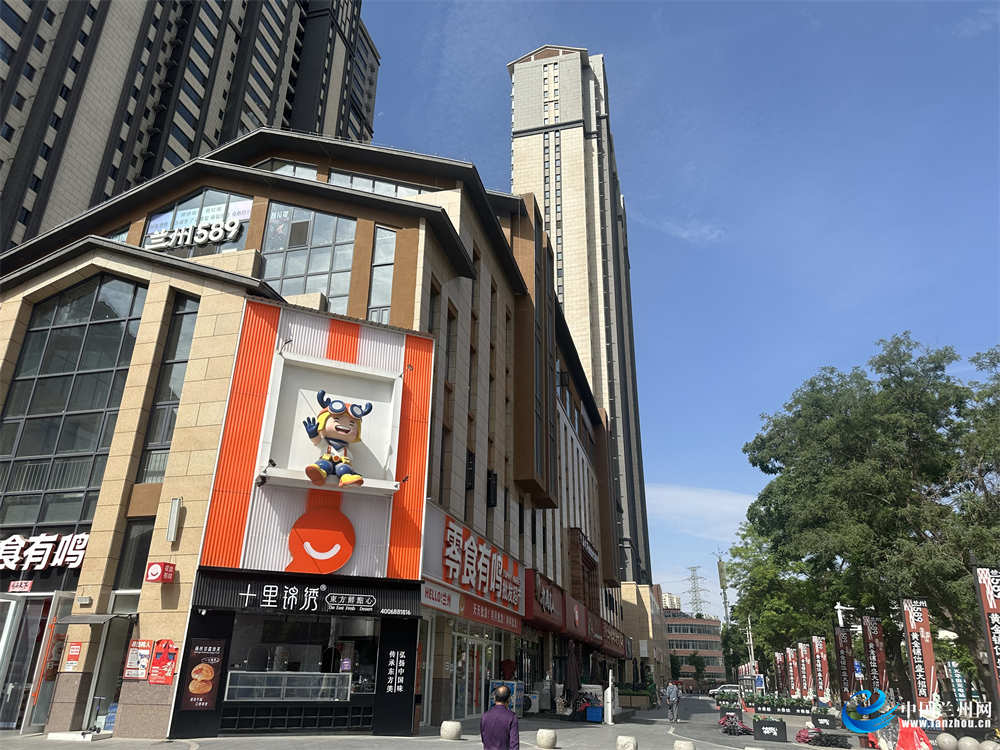
"Qilihe District has put forward the development concept of building a 'cultural highland'. It boasts cultural and tourist resources including the Gansu Provincial Museum, the Bamboo Slip Museum and the Yellow River Tower, yet lacks a venue to showcase Dunhuang culture. Therefore, we aim to integrate Dunhuang aesthetics to endow urban renewal with soul," said Cai Zhaoxu, person in charge of the Lanzhou 589 Block project. While preserving the industrial style in its design and planning, the project incorporates Dunhuang cultural elements into the block's lighting and signage systems. The patterns on all 34 shop windows of varying sizes at the entrance derive from cultural symbols of Lanzhou and the Western Regions, reinterpreting cultural icons such as the Yellow River and the Silk Road with concise lines and colors. Upon completion of the renovation, the project has not only boosted commercial vitality but also effectively improved residents' quality of life. "I grew up around here. The tall factory buildings, rusty iron ladders and faded slogans on the walls are all part of my childhood memories. Now the environment has been greatly improved while many traces of the old factories are well preserved, which makes me truly delighted."
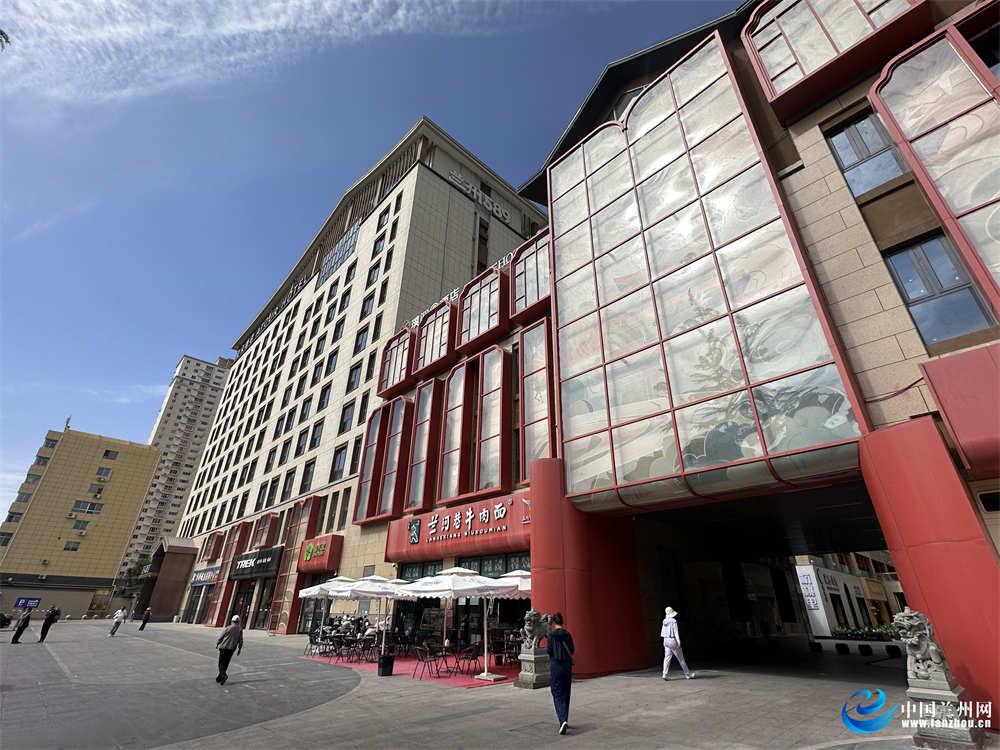
Resident Mr. Zhang said. The rebirth of numerous industrial heritages proves that urban renewal does not mean total demolition and reconstruction. Instead, it preserves collective memories while keeping pace with the times in people's lives. It is learned that Qilihe District has planned 35 urban renewal projects and packaged another 18 such projects this year, which will be launched once the funds are allocated. With the revitalization of inefficient existing land, the transformation of business circles in Qilihe District will accelerate and improve in quality. The emergence and upgrading of new consumption scenarios will also boost mutual progress between urban quality and industrial development. (By Wei Ning, Zou Jiyu)