
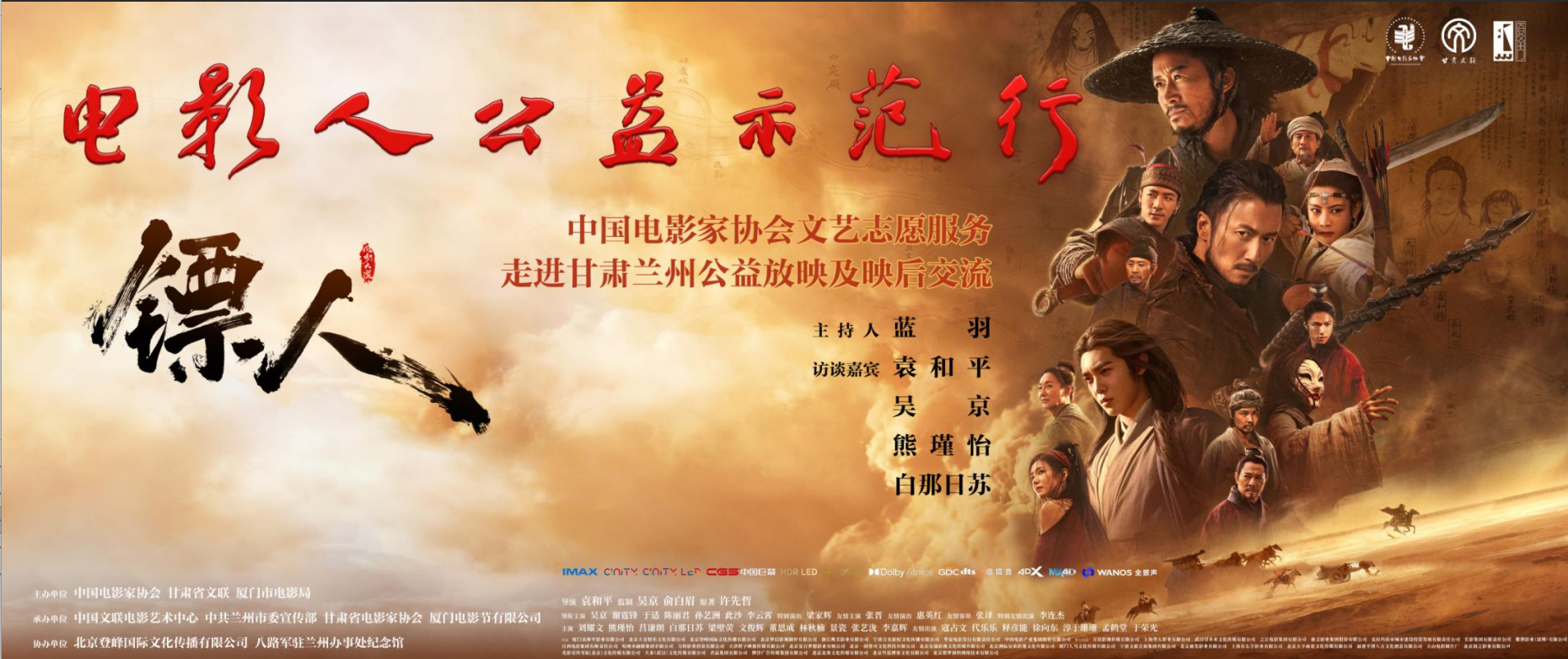
The Yellow River flows mightily, embracing the spirit of the millennia-old Silk Road; Light and shadow blaze, ready for a meeting in the martial world.
On the afternoon of June 24, the "Filmmakers Public Welfare Demonstration Tour," jointly organized by the China Film Association, Gansu Federation of Literary and Art Circles, and Xiamen Film Bureau, visited Lanzhou. Filmmakers from three generations—old, middle-aged, and young—gathered along the banks of the Yellow River, using light and shadow as their medium and chivalry as their soul, discussing the inheritance of martial arts and fulfilling the cultural legacy together.
1
Located on a key Silk Road route, Lanzhou has long been nestled by the Yellow River and overlooking the desert. The vast and desolate northwest landforms and the loyal and profound cultural heritage of the Silk Road have inherently blended and coexisted with desert martial arts themes, making it an excellent creative ground for Chinese-style martial arts films.
The "Filmmaker Public Welfare Demonstration Tour" is themed "Remembering the Long March with Light and Shadow, Original Aspiration Shines on the New Journey," building a bridge between film and television art and the northwest land through screenings of premium martial arts films and creators' salons.
The event featured a full screening of the martial arts film "Escort: The Desert," leading audiences back to the sword-filled desert martial world. The two-hour journey of light and shadow concluded with thunderous applause. Through the thrilling fights, the audience rediscovered the martial arts romance hidden in the bloodline of the Chinese people and understood the enduring spirit of traditional kung fu films.
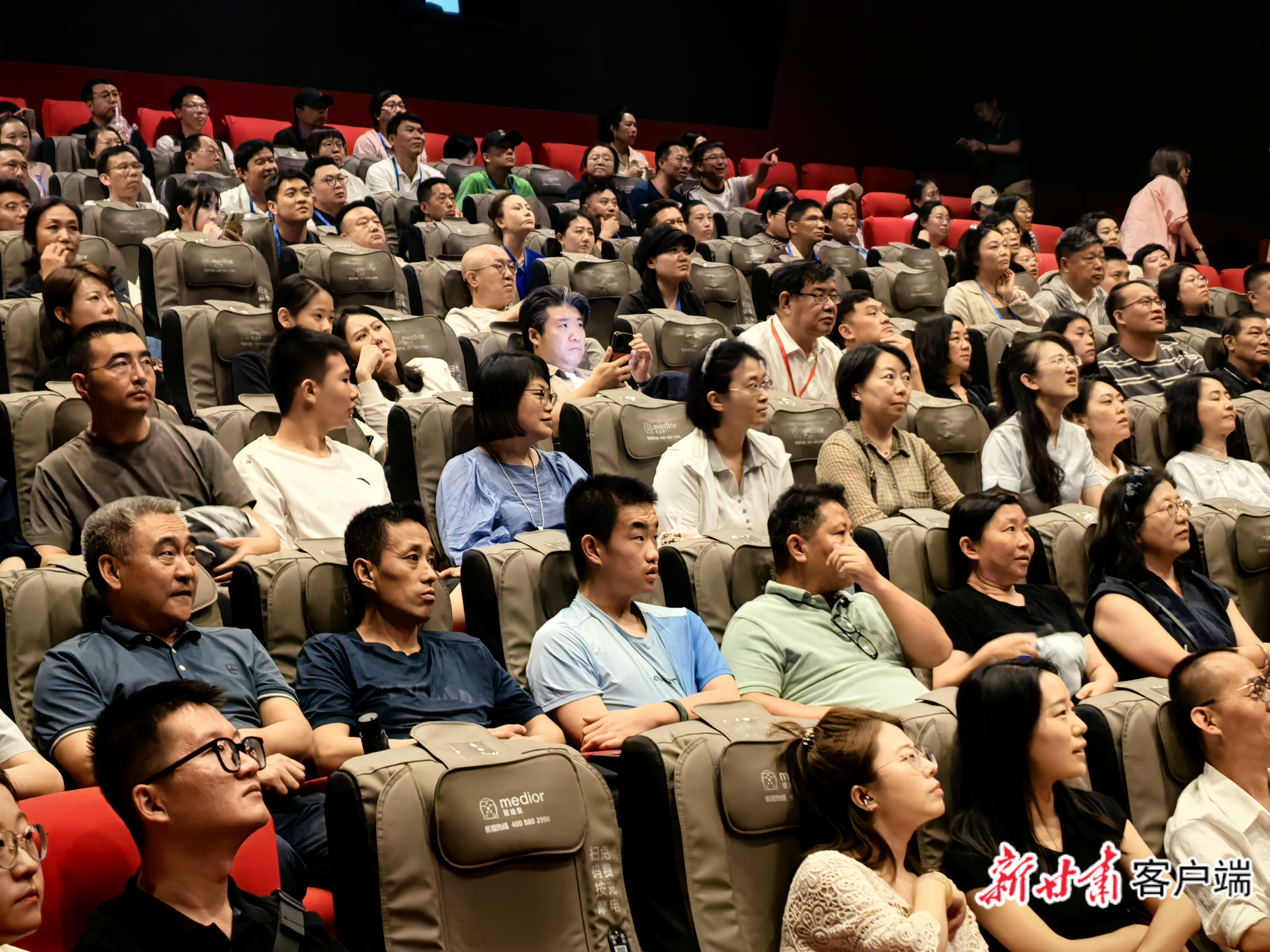
After the film, the creative team of "Escorts" discussed their creative intentions and the journey of martial arts heritage with artists from Gansu and movie fans. The atmosphere on site was lively. Director Yuan Heping, producer and lead actor Wu Jing, actors Xiong Jinyi and Bai Narisu, as well as Gansu-born actors Chen Yiheng and Sun Qian, gathered to chat about the hardships behind the scenes and explore the future of martial arts together.
Speaking about his trip to Lanzhou, Wu Jing was the first to "transform" into a food enthusiast, frankly saying that upon arriving in Lanzhou, the first thing he ate was a bowl of authentic beef noodles.
"Wuxia is a cultural IP unique to China, a cultural sentiment engraved in the bones of the Chinese people. It's never that the martial arts genre is outdated, but that we lack the sincerity to devote ourselves to refining our works." Wu Jing's remarks revealed the original intention and steadfastness of a generation of filmmakers in safeguarding Chinese-style wuxia.
2
A classic martial arts film is the result of generations of filmmakers passing down their craftsmanship. In interviews, reporters learned that octogenarian martial arts master Yuan Heping has always stayed on the front lines of creation, arriving early every day to refine martial arts moves, and after finishing, he continues to guide the actors in breaking down their movements. He has devoted his life to kung fu films and has never let go of his commitment to martial arts aesthetics.
Behind the authentic footage lies the dedication of every crew member. In an interview, Yuan Heping shared that the entire film was filmed on location in the northwest Gobi Desert. The summer shooting location saw surface temperatures exceed 60 degrees Celsius, with fierce Gobi winds and extreme heat, constantly testing the entire crew. "Every high-risk martial arts scene, horseback racing, and high-altitude combat scenes in the film is handled with zero stunt doubles and zero reliance on special effects. We insist on live-action filming to uphold the hardest and purest bottom line of traditional kung fu films, preventing real kung fu from being drowned out by the wave of film and television."
The new generation of actors starts from roles and heritage, telling the story of the younger generation's wuxia perseverance. Actress Xiong Jinyi's portrayal of Ani vividly narrates the sisterly bond of life and death among women in troubled times. "What 'Escort Man' embodies is never just love; in chaotic times, standing together and supporting each other is the most precious tenderness in the martial world." Xiong Jinyi said that this chivalrous tenderness, which transcends personal feelings, is precisely the unique charm and spiritual foundation that sets Chinese martial arts apart from other action genres.
Young actor Bai Narisu shared some heartwarming details from the set: veteran Tony Leung Ka-fai filmed barefoot in the Gobi heat just to better reflect the character's real situation; When actors hit a bottleneck in action scenes, Wu Jing's simple guidance made them smooth and natural. Pain, bumps, and sun exposure are daily routines for action actors, but the sincerity and seriousness of the older generation in filmmaking have strengthened the new generation's belief: on screen, heroes uphold righteousness; off-screen, filmmakers pass on the torch.
3
The homeland has roots, and the cultural heritage is affectionate. Gansu-born actors Chen Yiheng and Sun Qian's sharing brought the conversation back to the vast land of Longyuan. The native sons and daughters of Longyuan express their homesickness in the simplest words, promoting their hometown's cultural tourism and local cultural heritage—
Chen Yiheng was the first to talk about the flavors of his hometown, smiling as he counted what was on his mind: "I grew up drinking Yellow River water, and I miss Lanzhou beef noodles the most, plus stuffed skin, gray beans, roasted lamb—every bite is homesick." He admitted that after years away from home, he has always been attached to the "sweet flavor" and is determined to bring authentic Northwest life to the whole country through film and television works.
Sun Qian vividly depicts the mountains and rivers of Gansu, recounting Baita Mountain, the Yellow River charm, Jiayuguan, and the Gannan grasslands, recalling her childhood days climbing Wuquan Mountain.
"Gansu has almost every landform except the ocean. Not only is the scenery beautiful, but its historical heritage is also very deep. This is an ideal place for film and television industry creators to come for filming and storytelling. Sun Qian said, "I will recommend Gansu to more film and television peers, keeping them with Gansu's passion, scenery, and cuisine!" ”
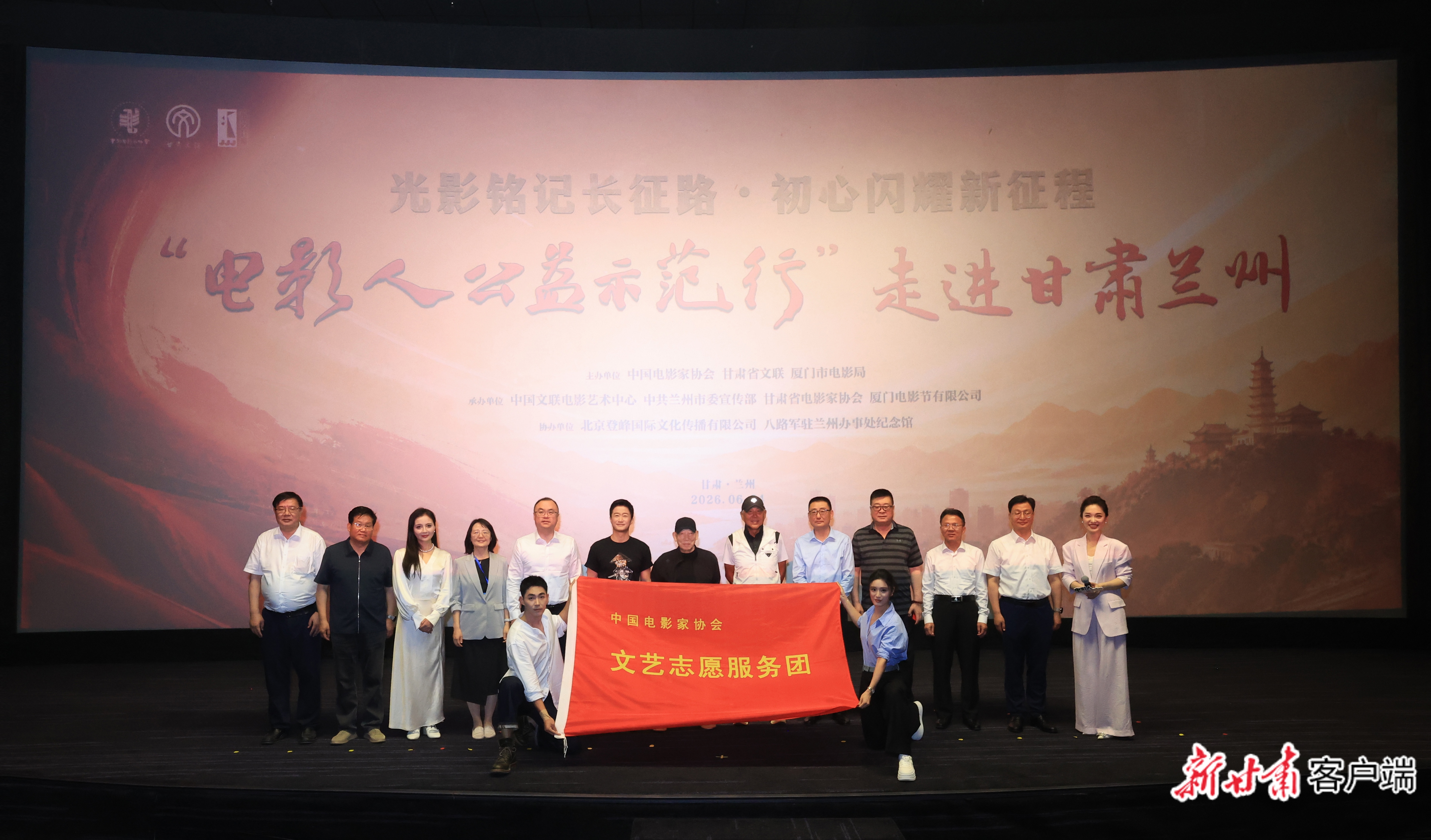
At the end of the interview, a short film about Gansu's cultural tourism slowly played, unfolding in succession across the desert and Gobi, the ancient Yellow River route, and the ancient city of Xiongguan...... Filmmakers present expressed that in the future, more film and television creative lenses will be directed at the land of Longyuan, enabling the northwest landscape and traditional Chinese martial arts to empower each other in a two-way way.
Upholding chivalry through light and shadow, enriching mountains and rivers with literature and art. As one of the most influential literary and art volunteer service brands in China, the "Filmmaker Public Welfare Demonstration Tour" has always adhered to the principle of rooting literature and art in the land and serving the people.
This encounter of light and shadow by the Yellow River allows the spirit of Chinese chivalry to blend and coexist with the millennia-old Silk Road cultural heritage. As time passes and screens change, it's never the story of the martial world fading away, but the passing of the torch of chivalry. (New Gansu · Gansu Daily reporters Bai Yongping and Wu Han)