
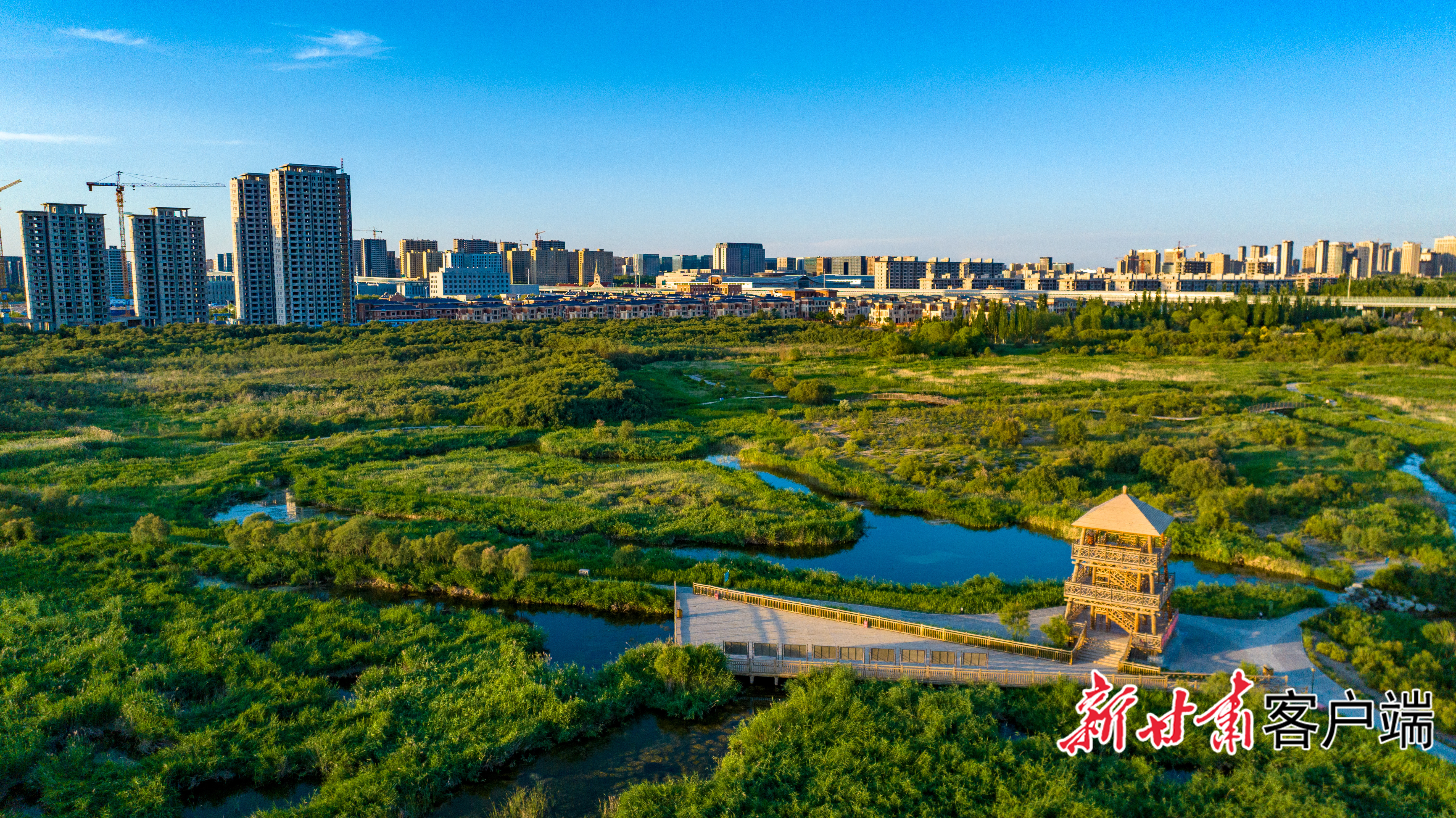
In the afternoon, sunlight slanted over the airport highway, and the loess plateau outside the window shimmered with a golden-bronze glow. Leaving Terminal 3 of Lanzhou Zhongchuan International Airport, in about the time it takes to drink a cup of tea, a village with yellow walls and blue tiles emerges from the folds of the Gobi—this is the Zhongchuan Qingyunyi Rural Tourism Resort. If you head further southeast, another world quietly unfolds: in the 315.77-hectare Qinwangchuan National Wetland Park, the water shimmers, reeds ripple like waves, and the shadows of egrets skim across the water, stirring ripples in waves.
One modern, one ancient; one active, one still—these two landmarks are like two warm seals, stamped on the cultural and tourism map of Lanzhou New Area, and etched into the memories of countless visitors. Together, they have witnessed the dramatic transformation of this fertile land's cultural tourism industry, vividly depicting Lanzhou New Area's commitment to high-quality development of cultural and tourism integration in the first year of the 15th Five-Year Plan.
The old farm has transformed into a "trendy village."
Shilakou Village was once the only village in Gansu Province to enjoy the advantages of road, railway, and airport. However, the prime location of the "railway public jet" failed to retain young people, and the anticipated demolition brought by the airport expansion left 80% of houses vacant, window lattices covered in dust, and courtyards desolate. The wind swept through the collapsed sheep pen, stirring up dry grass and gravel, making the whole village look like a forgotten old garment.
A turning point came in 2022.
Zhongchuan Town encourages villagers to transfer idle old houses to state-owned enterprises under the town for unified storage and then revitalize them through market-oriented methods. Phase one covers 127 acres, with 26 courtyards. The renovation team set the rule of "restoring the old as it was, building the new as it is"—the exterior walls are painted with straw paint to give the rugged texture of mud walls, and when touched by your fingertips, you can feel the texture of grass stems; Inside, however, it is equipped with underfloor heating, floor-to-ceiling windows, and smart lighting, giving it a rural appearance but a city heart inside.
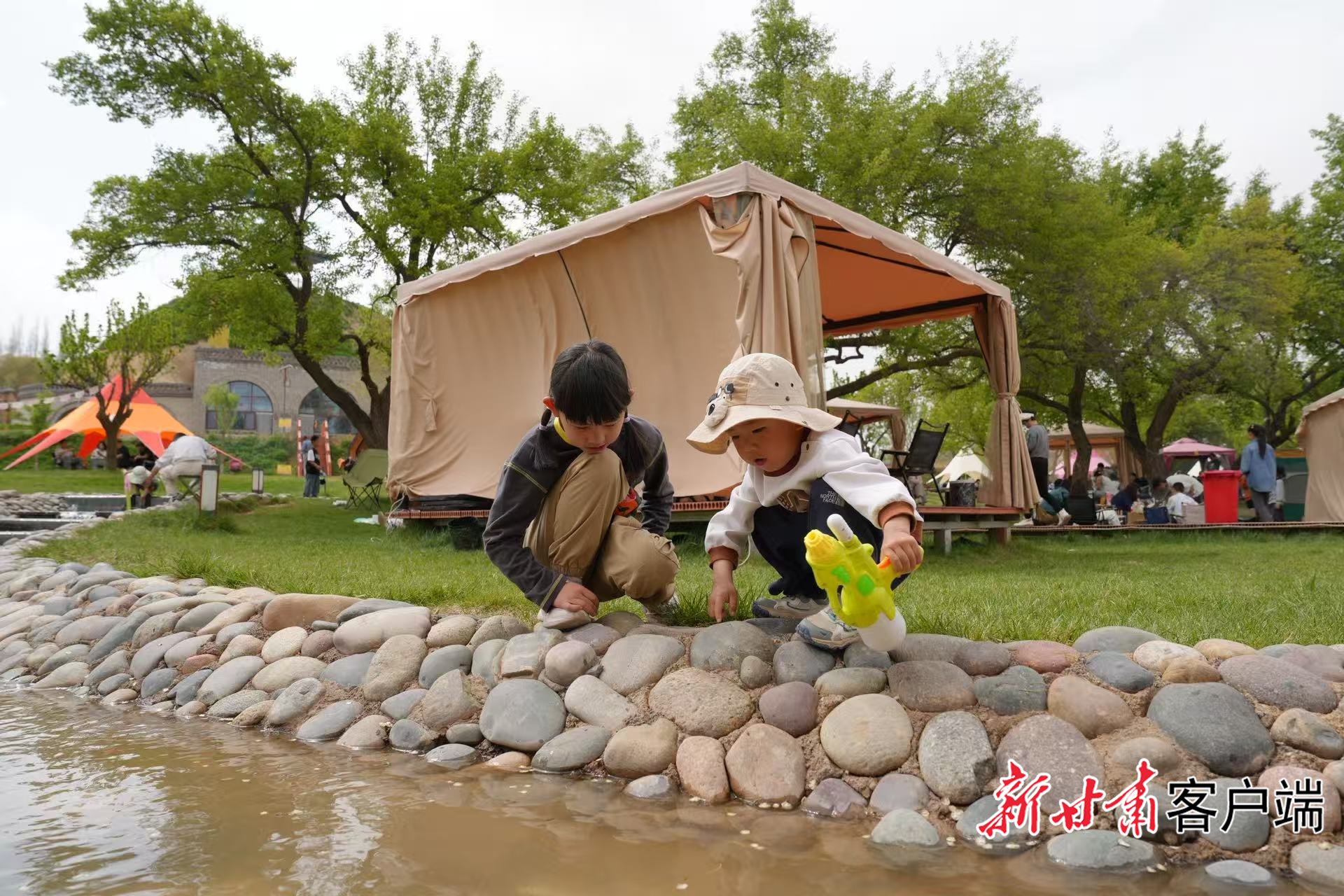
On the opening day of the 2024 May Day holiday, villagers were surprised to find that their "Old Farmhouse" and "Yangquan Slope" had become popular "internet-famous check-in spots."
Now, strolling through Qingyun Post, the path beneath your feet is a bluestone path embedded with grass, with the shade of old elm trees on both sides scattered like golden fragments. In the intangible cultural heritage exhibition hall, the scissors of the inheritors of paper-cutting glide across the red paper, with paper scraps flying like snow; Tao inkstone craftsmen lean over to carve stone, their tinkling echoing with the breath of the thousand-year-old Tao River. Inside the Song-dyed ware celadon experience hall, rotating clay forms between visitors' fingers, wetting cuffs with mud and water, yet laughter drifts out from the window.
The most wonderful thing is at dusk, when the remnants of the Qilian Mountains are dyed by the evening glow, planes roar overhead, silver wings trail a trail cloud, and from the gaiwan of the tea stall beneath your feet, the sweet scent of rose drifts from the three-brew table. Airplanes, ancient villages, farmlands, and the bustling lights intertwine here, making one feel lost in their presence.
In the past, villagers mainly relied on traditional farming and odd jobs to increase their income, resulting in weak annual income from the village collective economy. "Since the Qingyunyi project opened, the village's visitor flow has gathered and popularity has continued to rise, and local residents have started to enjoy the rural tourism industry." A village official from Shilakou Village told reporters that since the project opened, it has received nearly 400,000 visitors, with comprehensive tourism revenue exceeding 20 million yuan, and more than 150 villagers from surrounding areas employed locally and nearby.
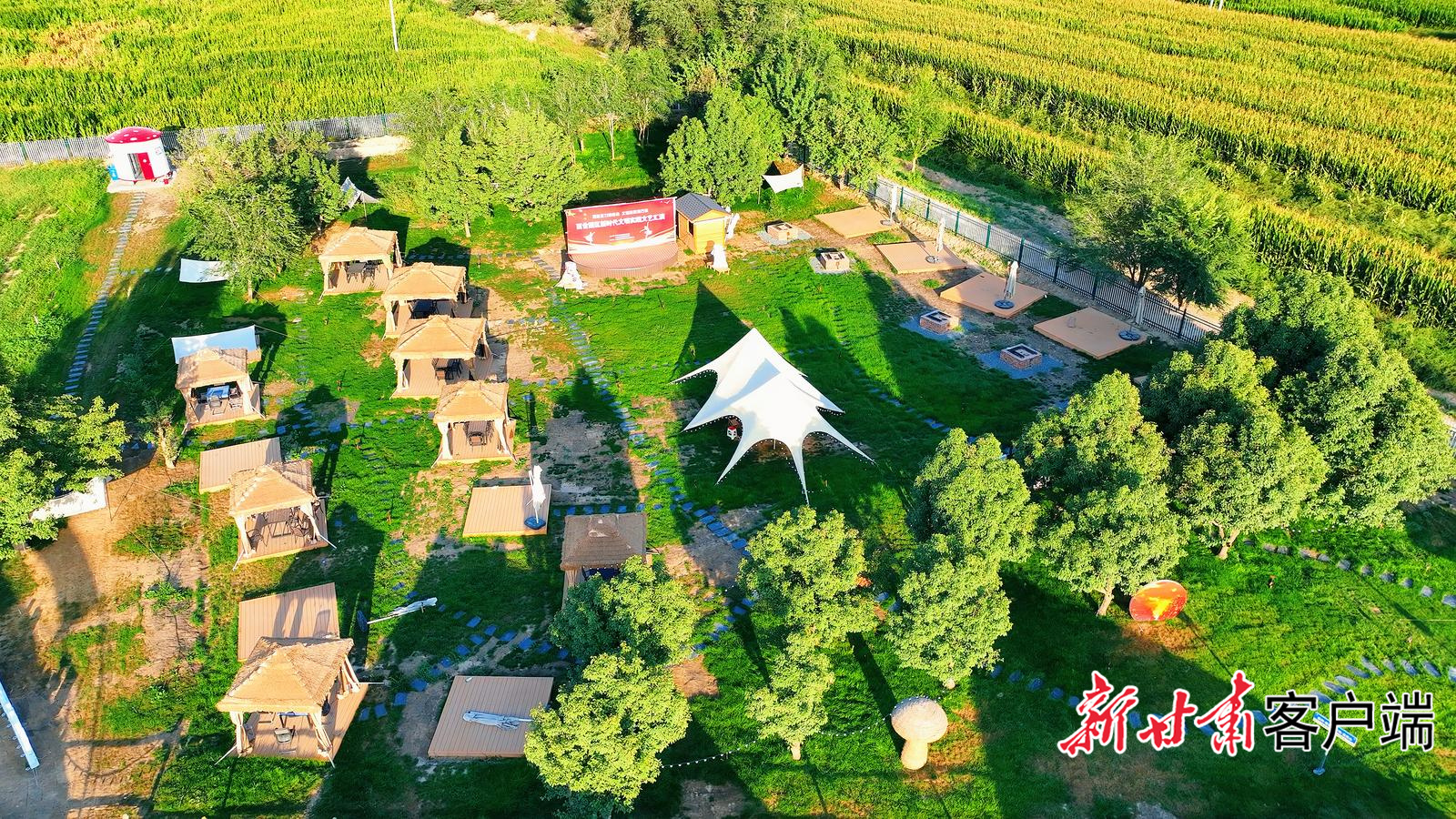
At the same time, the local community is leveraging each village's resource advantages to build a "one village, one product" development pattern: Shilakou Village's amusement park is led by the village Party branch, with nearly 150 households "invested in one week and completed in half a month," allowing villagers to enjoy dividends; Village collective economic projects such as Chen Luji Firewood Chicken and Honghuoyuan have contracted courtyards under a "Party building joint construction + industry alliance" model, with affordable consumption of 50 yuan per person making business booming; The Country Rider Off-Road Park has revitalized 55 mu of idle land, with off-road projects enriching business formats and creating jobs for villagers.
Today, the local cultural tourism industry has moved beyond a single rural tourism model. Rural ecological sightseeing, intangible cultural heritage experiences, rural homestays, study tours, outdoor leisure, and parent-child interaction have complemented each other, continuously strengthening the village-level collective economy, broadening channels for villagers' income growth, achieving two-way income growth for both village collectives and villagers, and truly transforming high-quality cultural tourism resources into long-term and sustainable returns that empower rural revitalization.
Ecological fragile areas have been transformed into "migratory bird paradises."
In spring, the tender red seedlings of alkaline bulge pierce the salt shell; In midsummer, the reed marshes are like a green sea, rustling when the wind passes like thousands of whispers; In autumn, vast stretches of red willows glow with vivid red; Even in the depths of winter, the withered yellow reeds still stand tall, casting slender shadows on the ice.
When Qinwangchuan National Wetland Park unfolds before your eyes, it's hard to imagine that this wetland was once an ecological island overgrown with salt and alkali and partially dried up.
Lanzhou New Area tackled problems through systematic governance, placing 315.77 hectares of wetland core areas within the ecological protection red line for rigid control. Meanwhile, the water diversion project slowly injected fresh water, patiently washing the saline-alkali land.
The number of wetland plant species has increased from 23 families and 128 species at the beginning of the park to 174 species across 41 families. These staggered plants not only outline a year-round scenic corridor but also enhance the wetland's ecological function of purifying water bodies.
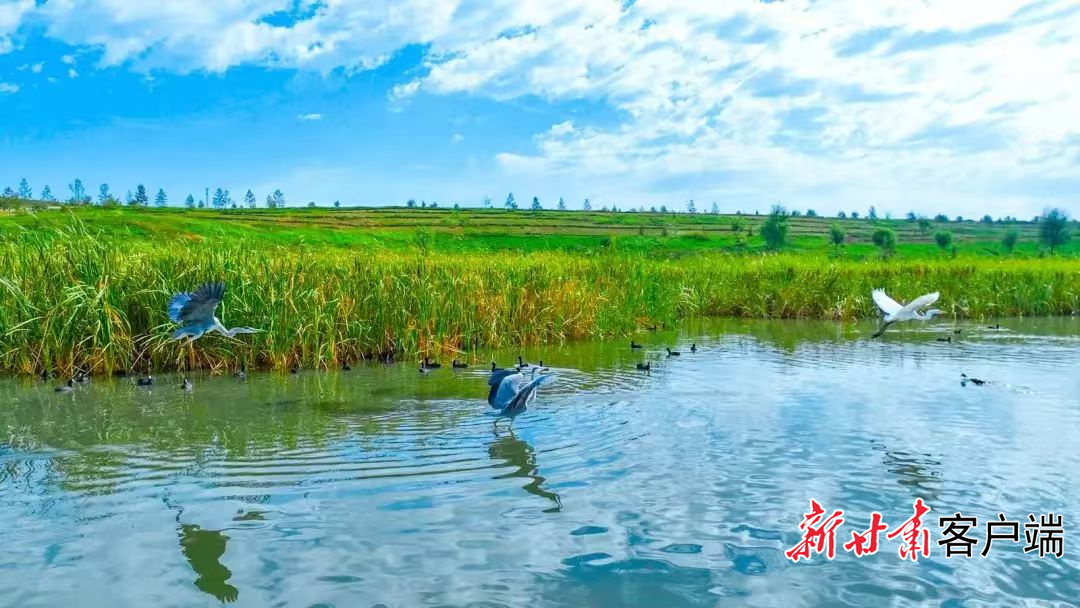
When the water is good, the ecological environment naturally improves, and birds come to visit.
Since 2021, bird records have increased from 58 to 90. Names once seen in textbook illustrations, such as egrets, grey-breasted catkins, herons, and bar-headed mergansers, have now become regulars in wetlands. Special insect monitoring to be launched in 2025 will record 120 insect species across 10 orders and 54 families. In spring, watch egrets ride the waves; in summer, encounter lone wild geese resting among the reeds; in autumn, watch waterfowl migrate south together; in winter, watch cold ducks glide over the ice—every passing season is filled with ecological poetry.
At dusk, the setting sun spreads over the lake, many citizens jog along the lakeside trail, and photography enthusiasts capture birds and evening glow. "I used to think the northwest was just barren Gobi mountains, but I never expected the new district to hide such a water town wetland, with scenery changing throughout the year." Photography enthusiast Mr. Li told reporters.
Based on the key milestones at the start of the 15th Five-Year Plan, Lanzhou New Area will adhere to the dual empowerment of "ecology + cultural tourism." Using Qinwangchuan National Wetland Park as a model, strictly adhere to the bottom line of ecological protection, deeply explore the value of ecological cultural tourism, promote the transformation of wetlands, flower seas, and urban water systems into tourism products, create a model for ecological cultural tourism in the arid regions of Northwest China, and achieve "continuous monetization of lucid waters and lush mountains."
From "single-point breakthroughs" to "chain development."
As I was leaving, dusk had already fallen. The evening breeze at Qinwangchuan Wetland stirred the reeds, and the lights in the forest at Qingyun Post lit up one after another. The flight lights toward the airport, along with the wetland starlight and rural lights, shone together, forming Lanzhou New Area's unique cultural tourism nightscape and outlining a clear outline of high-quality cultural tourism development in the first year of the 15th Five-Year Plan.
Ten years ago, Lanzhou New Area's cultural tourism industry was almost blank, with no mature scenic spots, no distinctive business formats, and no comprehensive supporting facilities.
Today, a number of cultural tourism carriers such as Qinwangchuan Wetland Park, Qindong Ecological Farm, Zhongchuan Town, and Zhongchuan Qingyun Post have built a comprehensive tourism pattern of "one core, one ring, five major zones," cultivating six major cultural tourism brands including urban leisure and rural vacations, creating more than ten premium tourism routes, and forming a diversified product matrix of "airport rural tours, wetland ecological tours, folk wellness tours, and industrial study tours."
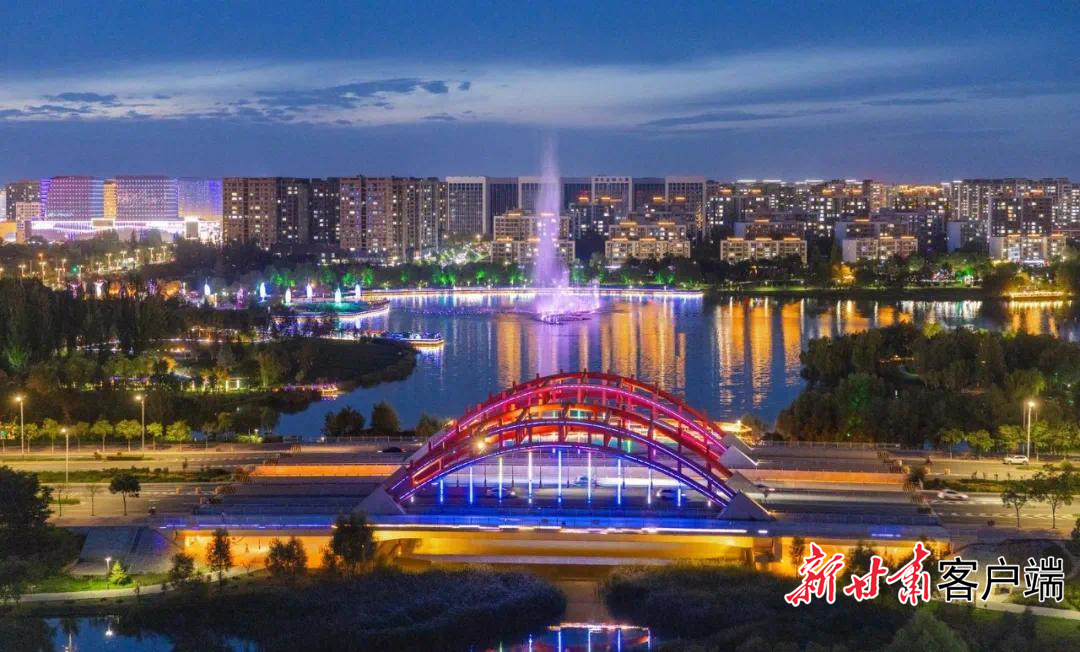
Comparing past and present, the changes are not only improvements in the number of scenic spots and hardware facilities but also deep innovations in development strategies and industrial models.
Currently, the blueprint for the 15th Five-Year Plan has been drawn, and cultural and tourism integration remains one of the ten key areas of work for the new year. From the booming terminal to the formation of a comprehensive cultural tourism matrix, from ecologically fragile areas to "migratory bird paradises," from "semi-demolished villages" to "internet-famous check-in spots"—Lanzhou New Area is transforming from a "transit point" that tourists hurriedly pass through into a "destination" that captivates visitors with a new "poetry and distant place." (New Gansu · Gansu Daily reporters Wang Sixuan and Wei Xiaoqian)